 Back
Back
Remove DEBRIS
RemoveDebris is an EU research project designed, built, and manufactured by a consortium of leading space companies and research institutions led by the Surrey Space Centre at the University of Surrey. ISISPACE was responsible for the deployers of the DebriSat, which are critical for the success of the RemoveDebris mission. The mission aims to test methods for active debris removal from space, including a net-based snaring system and a harpoon designed to capture small satellites. This research was funded by the European Union's Seventh Framework Programme (FP7/2007-2013) under grant agreement n°607099.
Start Your Mission Inquire Now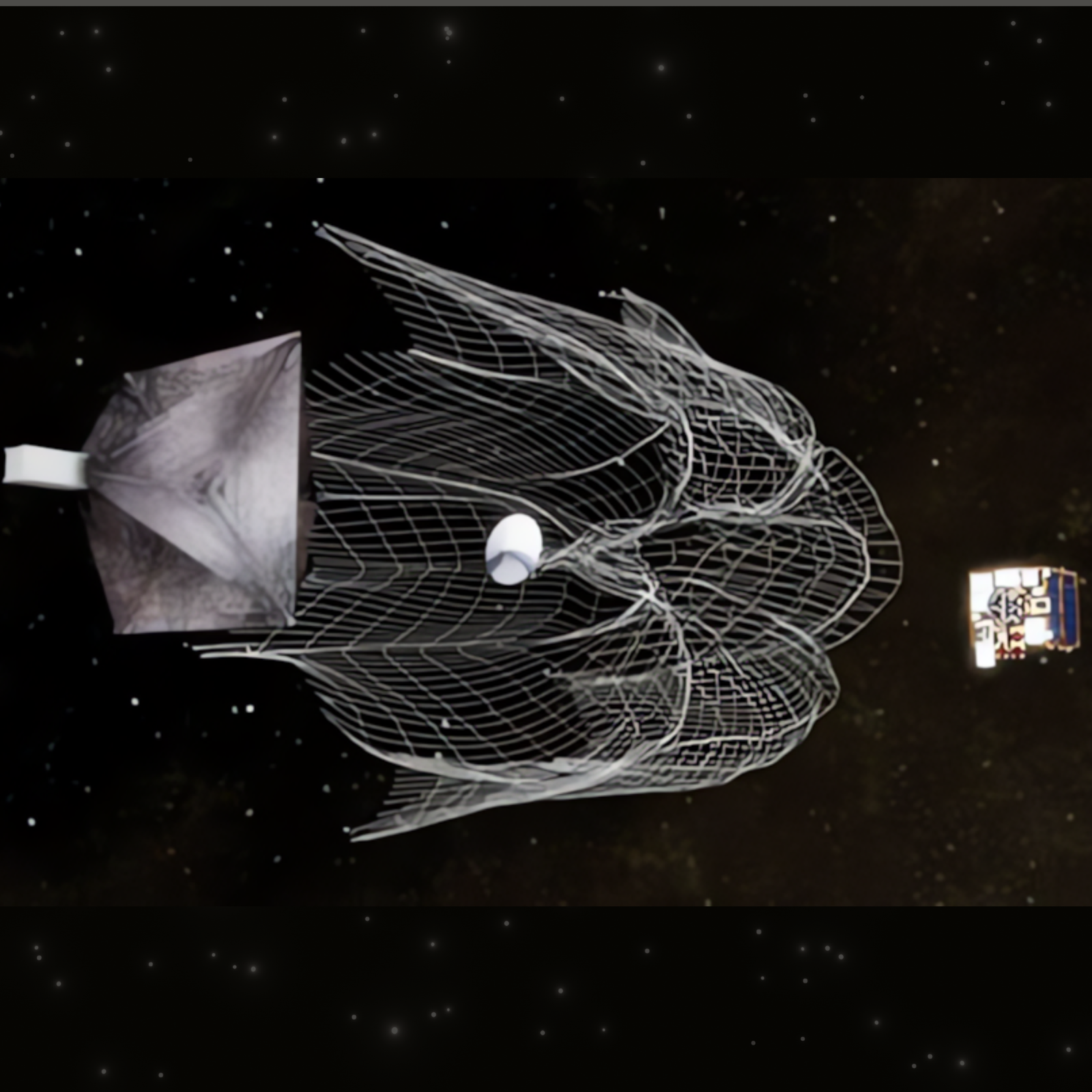

The main goal is to fly an IOC low-cost mission aiming to de-risk and verify technologies needed for future ADR missions. Our main role was to provide the DebriSat’s deployers, which are key elements for the success of the mission. The RemoveDebris mission, co-funded by the European Union, has already completed three successful experiments. Previously, it used a net to capture a simulated piece of debris and tested a LiDAR-based navigation system to identify space junk. The project aims to address the growing issue of space debris, with over 40,000 objects tracked by the US Space Surveillance Network, totaling more than 7,600 tonnes of space junk in orbit.
The project is led by the Surrey Space Centre at the University of Surrey, with spacecraft assembly taking place at Surrey Satellite Technology Ltd (SSTL). The harpoon, designed by Airbus Stevenage, features a 1.5-meter boom that fires at 20 meters per second to capture space junk by penetrating the target.
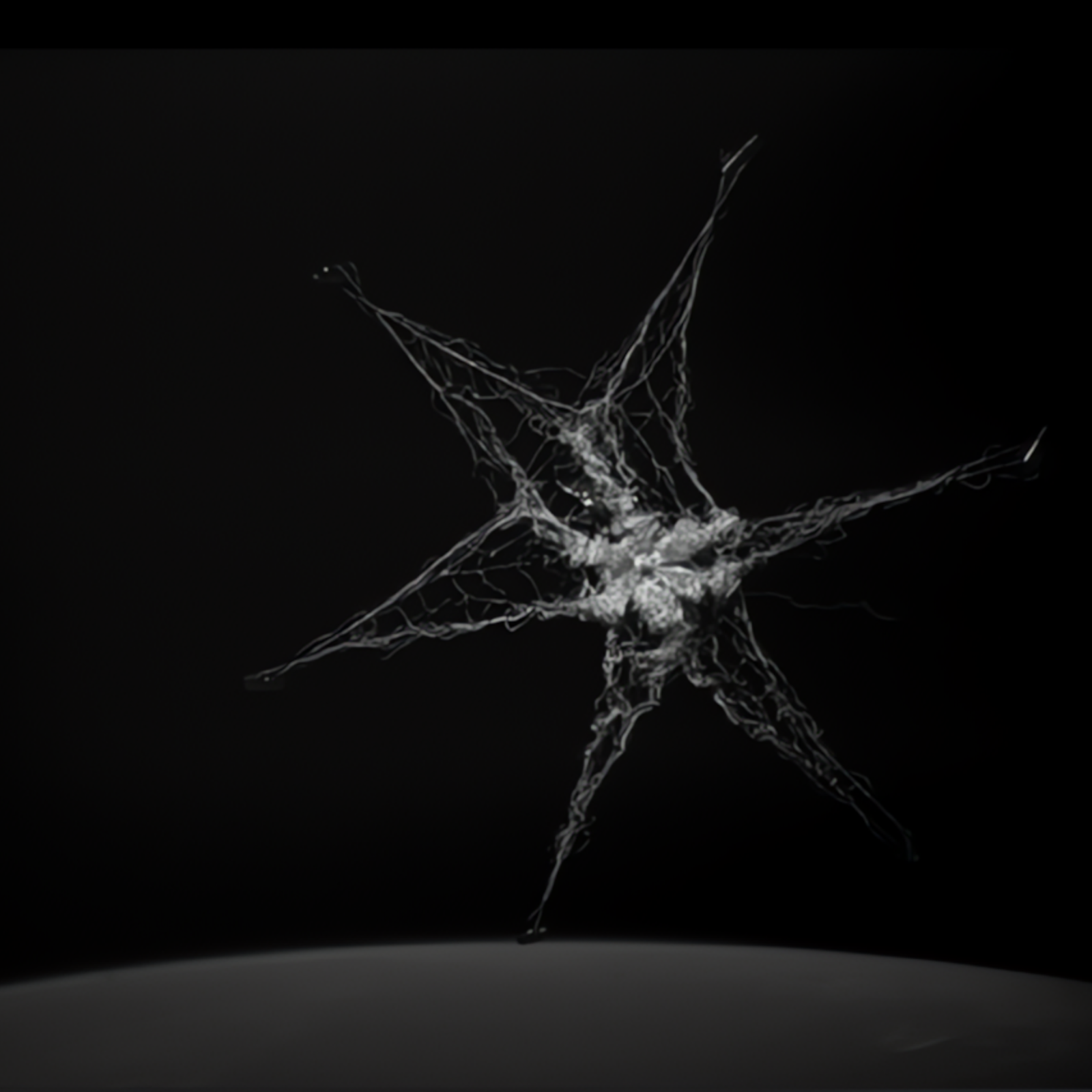
RemoveDEBRIS Net Experiment, a target CubeSat (DS-1) was ejected at a low velocity
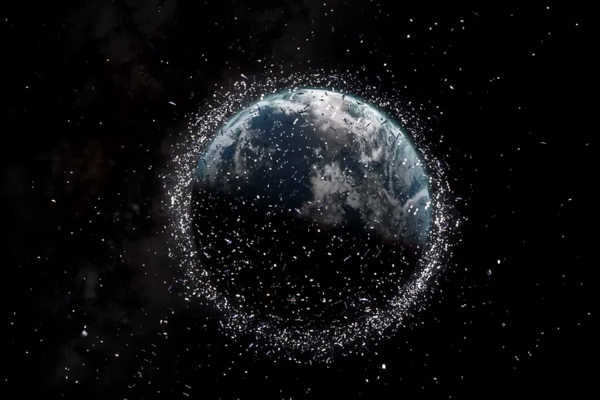
The arpoon featured a 1.5-meter boom, deployed from the main RemoveDEBRIS spacecraft
The spacecraft will establish whether a net could ensnare a small satellite
| Project Overview | |
|---|---|
| Customers | EU-Funded Collaborative Research Project |
| Mission | RemoveDEBRIS |
| Category | In-Orbit Demonstration and Verification |
| Launch Date | 2018 |
| Launch Vehicle | Falcon 9 |